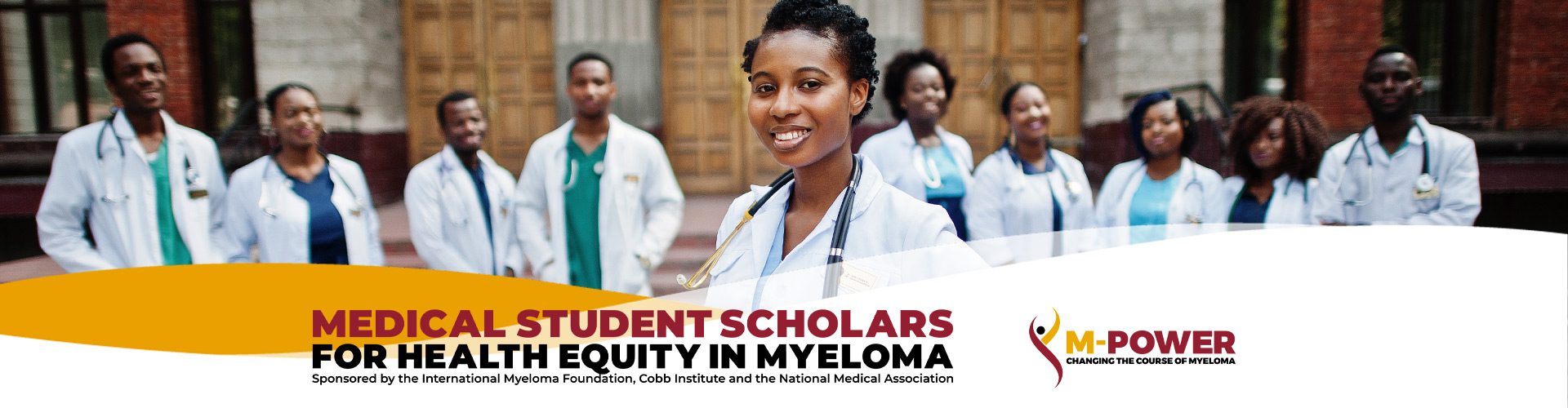
What Is the Medical Student Scholars for Health Equity in Myeloma Mentoring Program?
The International Myeloma Foundation (IMF) has partnered with the W. Montague Cobb/NMA Health Institute’s Cobb Scholars Program to develop a mentoring program for minority medical school students.
- Increasing the pool of minority physicians dedicated to myeloma health equity
- Raising myeloma awareness among medical students, with a focus on its impact on African Americans
- Supporting innovative health disparities projects in myeloma
- Providing mentorship with myeloma experts
- Creating a supportive community of mentors and mentees
Twelve students, several of whom are from Historically Black Colleges and Universities (HBCU), are paired with 12 myeloma experts who are dedicated to health equity. Together, they conduct 12 projects in health disparities in myeloma. These projects are presented as posters yearly at the Annual Meeting of the National Medical Association.
Spearheading the scholars’ program is IMF Chief Medical Officer Dr. Joseph Mikhael, who leads the IMF’s M-Power Project. The program launched by the IMF in collaboration with the National Medical Association and the W. Montague Cobb Institute (their research arm), the Medical Student Scholars for Health Equity in Myeloma Mentoring Program pairs medical students of minority backgrounds with myeloma experts to conduct research on health disparities for six months.
Its objectives include:
- Educating individuals from minority communities about multiple myeloma,
- Engaging those communities at the earliest level of their training to gain a deeper understanding of the disease, and
- Improving sensitivities toward diagnosis, as well as disparities in myeloma and patient care.
The hope is these medical students can take this knowledge with them, whether they choose to become a myeloma expert, or to pursue a different discipline.
“We believe that increasing the workforce of those involved in the care of myeloma patients is part of the solution when it comes to long-term health equity in multiple myeloma. Right now, only less than 6 percent of physicians in the U.S. are of African American descent. Our goal is to increase that number by providing learning opportunities to those who are willing to pursue a career dedicated to multiple myeloma. It is a known fact that this type of blood cancer is twice as common among African Americans.”
Our Partners:
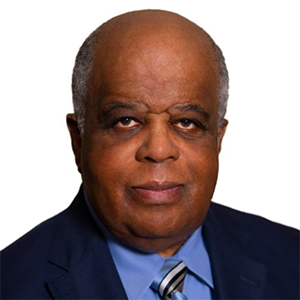
Randall C. Morgan, Jr., MD, MBA
President & CEO
Cobb/NMA Health Institute
Who Are the Program’s 2026 Mentees and Mentors?
These passionate students along with their dedicated mentors are creating a brighter future for health equity in myeloma care. Each medical student is already working one-on-one and closely with a mentor, gaining skills in research while seeking to provide solutions to the vast health disparity in myeloma.
From over 50 applicants for the program, 12 individuals were chosen by the Selection Committee. The student-mentor pairs are as follows:
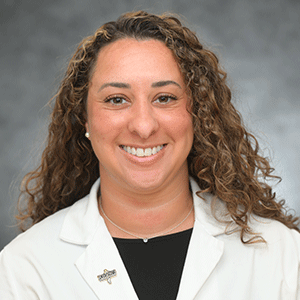
Kiersten Sydnor
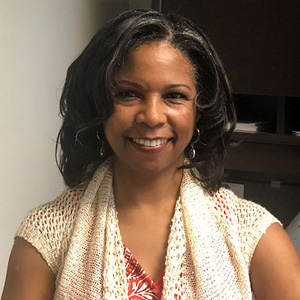
Racquel Innis-Shelton, MD
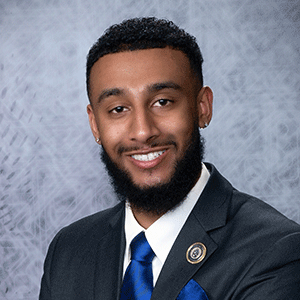
Isaiah Delane-Vir Hoffman
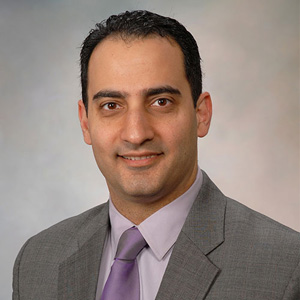
Sikander Ailawadhi, MD
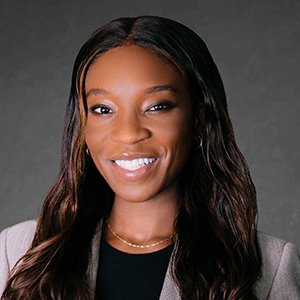
Afua Ofori-Darko
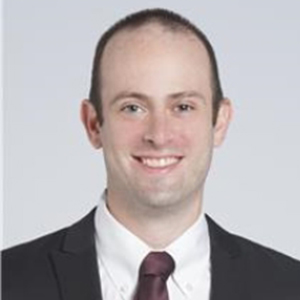
Louis Williams, MD
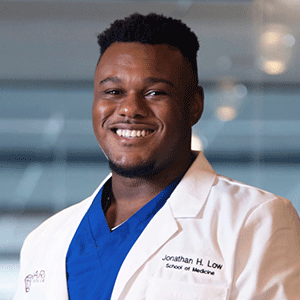
Jonathan Hayden Low
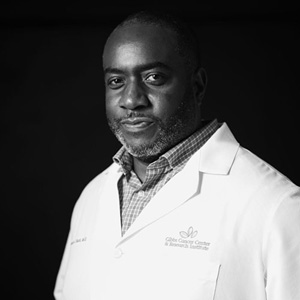
Tondre Buck, MD
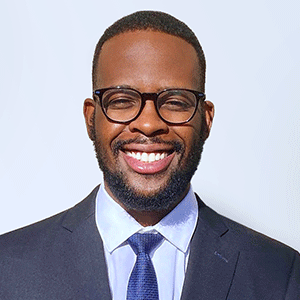
Justin Hyde
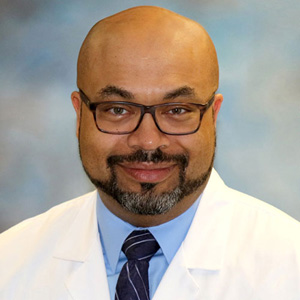
Craig Cole, MD
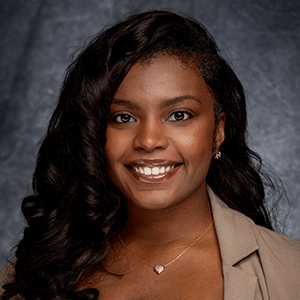
Josianne Fils
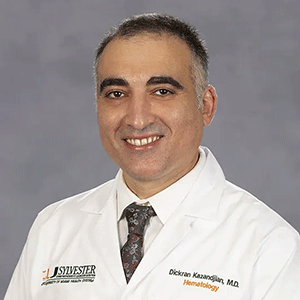
Diko Kazandjan, MD
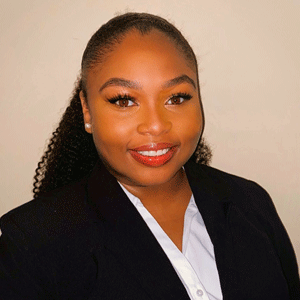
Alaura Cunningham
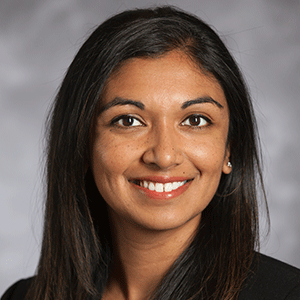
Nisha Joseph, MD
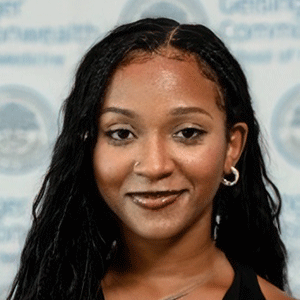
Rebecca Metellus
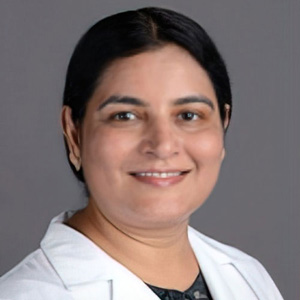
Manisha Bhutani, MD
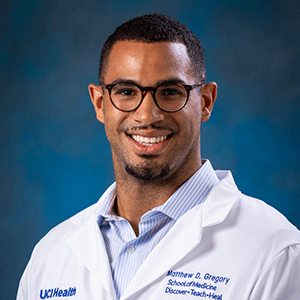
Matthew D. Gregory
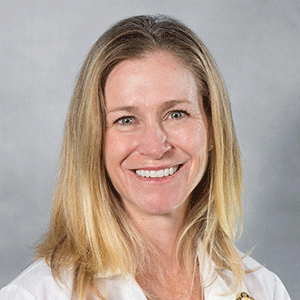
Caitlin Costello, MD
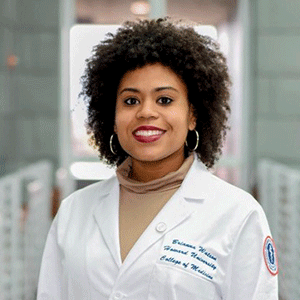
Brianna Watson
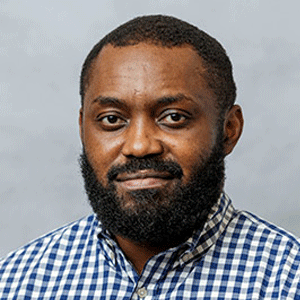
‘Emeka Uzoka, MD
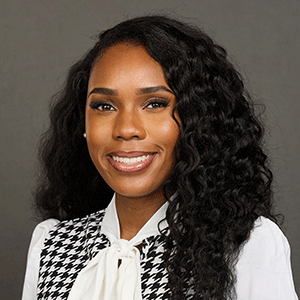
Brianna Ali
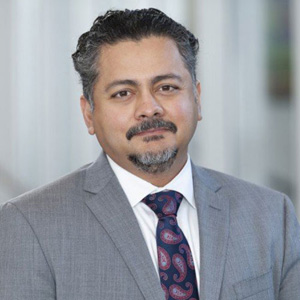
Saad Usmani, MD
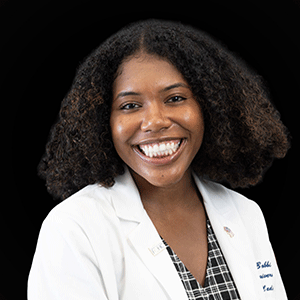
Bobbi Cooke
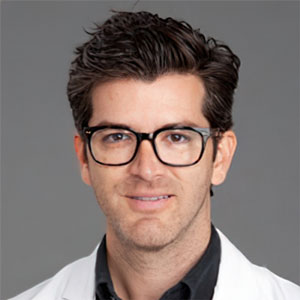
Cesar Rodriguez, MD
What Are the Next Steps for the Medical Student Scholars for Health Equity in Myeloma Program?
Scholars will participate in a health disparities project focused on multiple myeloma with each student working closely one-on-one with a mentor myeloma expert. Mentees will meet regularly with their mentors to complete their respective projects.
The IMF will collaborate with the W. Montague Cobb/NMA Health Institute in planning the poster and networking sessions during the Annual Meeting of the National Medical Association (NMA) in July 2026.
Students and mentors will be attending the annual meeting to present their research, with a networking reception bringing together members of the Student National Medical Association (SNMA), W. Montague Cobb /NMA Institute, and the NMA.
Participants are expected to complete the Post-Program Assessment by September 2026.
Made possible with support from Pfizer
We want to hear from you: